Confidential vaults add an encryption layer between allocators and existing onchain vaults. Deposits, positions, and exits stay private, while the vault and the curator's strategy stay unchanged. At Vault Summit, Irene Patrikios, who leads business at Zama, explained why this layer is what institutional capital still needs to come onchain.
Edited transcript
Institutional capital is coming onchain. Custody has matured, regulatory frameworks are taking shape, and tokenization is at scale. But confidentiality is still the missing gap. For the largest pools of capital, such as funds managing money for others, treasuries, and desks moving size, exposure is a real risk.
Vault 1.0 was the aggregator: one strategy, one contract, one yield. Vault 2.0 is modular. Morpho built the rails, curators turned risk into a discipline, ERC-4626 gave everyone a common language, and custody providers and wallets brought it to users. Every layer got better, but real capital is still on the sidelines.
From one deposit, you can see the funds going in, the amount two weeks later, and the amount exiting. Click on the wallet and you can see everything they hold and where it originated: the whole balance sheet.
For a fund or a company treasury, that means their LPs, their competitors, and the whole market can see all of it. So big capital splits flows into smaller executions, moves to permissioned rails, or waits. That is the cap on Vault 2.0.
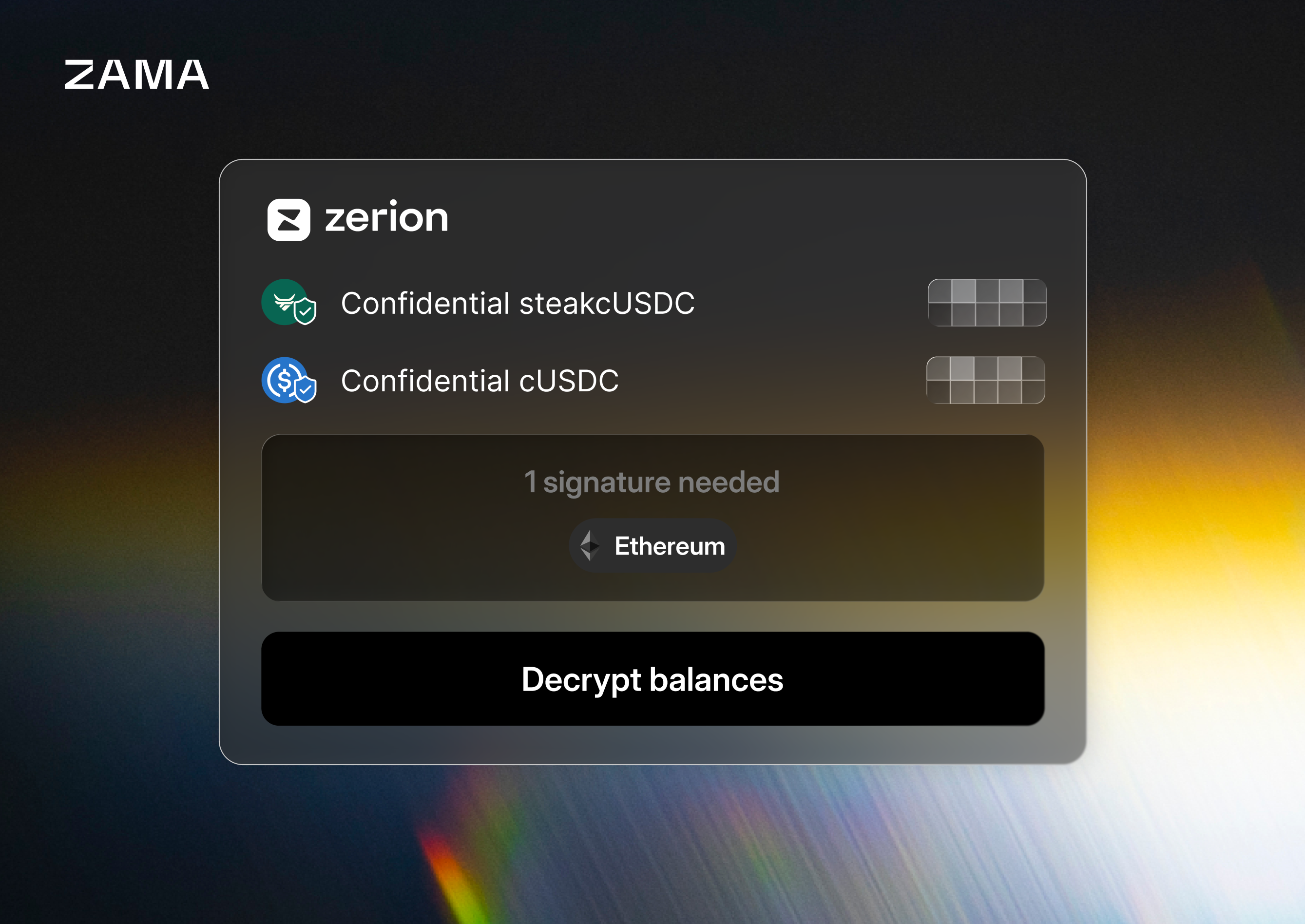
Vault 3.0 adds one layer to the vault stack: confidentiality. It sits between the allocator and the vault, and it doesn't ask any other layer to change. Taking the example of Steakhouse Confidential USDC vault on Morpho:
The allocator's position, entry, and exit are private. Anyone entitled to see them, such as a regulator or an auditor, can be given access. This protects the allocator: the curator's strategy is still public onchain.

We started with one vault, one curator, and one asset. With Morpho and Steakhouse Financial, we deployed the confidential Steakhouse USDC Prime vault. It went from zero to $46 million in six weeks. We had treated it as a beta, with a target of $10 million.
Holders of USDT or AUSD, or anyone wanting different RWA exposure or a different risk profile, still had to use public rails. So three weeks later, we launched 15 more vaults with four new curators: Bitwise, RockawayX, Armitage by Wintermute, and Flowdesk. We added four confidential assets: USDT, AUSD, tGBP, and WBTC. Two weeks after launch, shielded TVL reached $100 million.
Confidential vaults are step one. Institutional capital doesn't just sit in a vault. It trades, rotates between strategies, sits with custodians, hedges, and settles, and each step needs confidentiality. Zama is building across all of them:
On custody, we work with Dfns, and more institutional custodians are going live soon. The protocol is designed compliance-ready first. We work with Elliptic and Hypernative for wallet screening and ongoing monitoring.

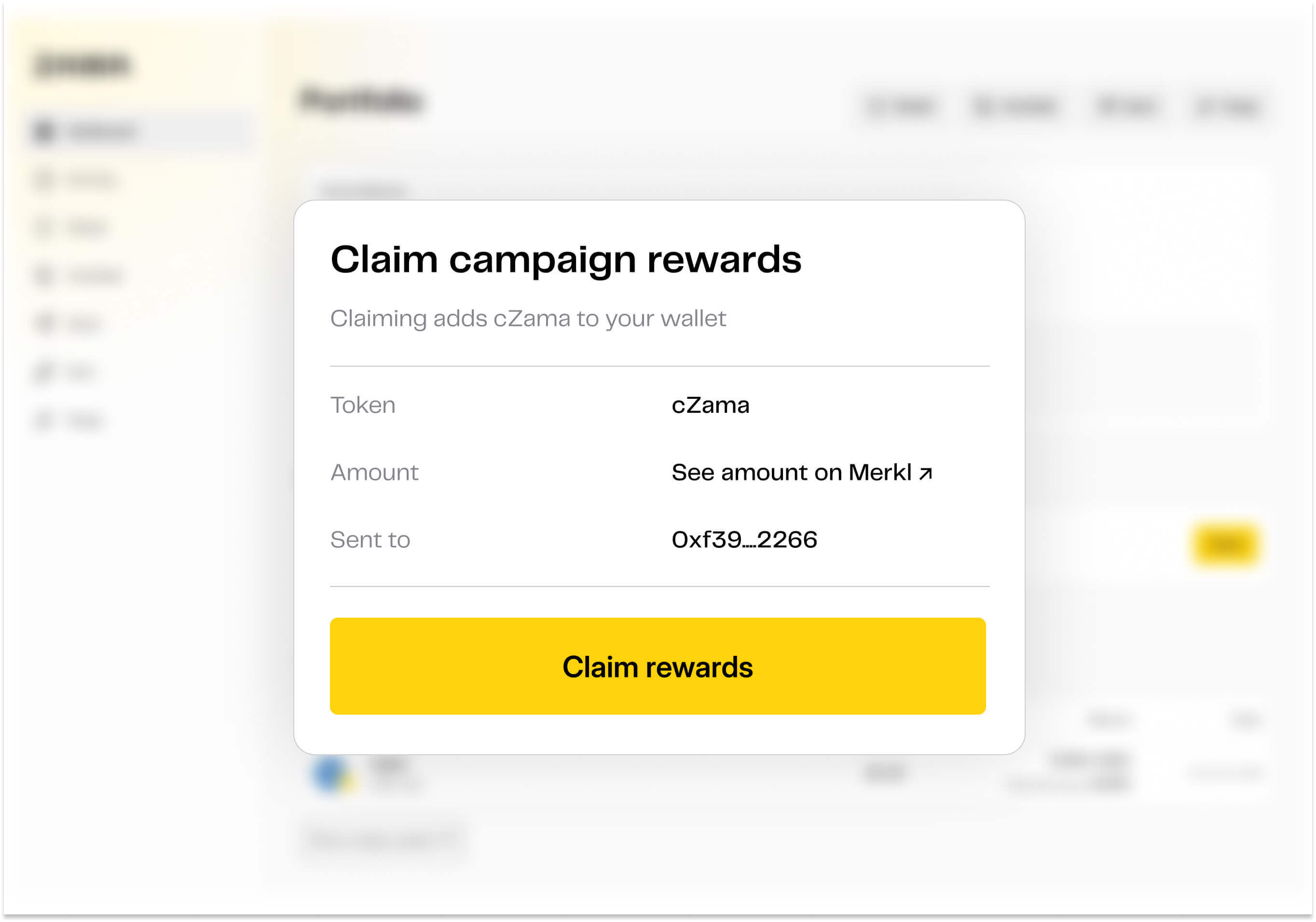
Curators can enable confidential deposits on their vaults. Wallet providers, neobanks, and front ends can bring confidential execution to their users through a low-lift integration: swaps, send and receive, shield and unshield, and confidential deposits.
The vault stack has a new layer. It brings us one step closer to apps that serve users and institutions the way they expect to come onchain, with their positions confidential onchain. Institutional capital needs more than vaults, and we are building it.
News, research and product releases
Protocol

Solutions
PRODUCTS
Resources
community
company