.webp)
Blockchains today are in their pre-HTTPS era. Like HTTPS turned the internet from read-only public plumbing into a place where real value could move safely. The Zama Protocol adds confidentiality to existing public chains using FHE.
Since mainnet launch, the full Zama Protocol stack is live and integrable. Here's what's available now.
Introducing the Zama SDK: Build without complexity.
The barrier to building confidential applications has never been the cryptography itself, it has been the complexity of understanding powerful privacy-preserving technologies like FHE.
The Zama SDK gives blockchain developers a familiar, ERC-20-style interface for building with confidential tokens, hiding all FHE and protocol complexity behind clean abstractions.
Any wallet, exchange, or dApp that integrates it gets confidential token support without needing to understand the underlying cryptography.
The SDK ships in two packages:
The Zama SDK is also built for the AI-native development era. With support for agentic coding tools and LLM-friendly documentation, integrating confidential tokens is increasingly something an AI agent can handle end-to-end.
This is a beta release. We are actively looking for builders working on real use cases.
→ Follow the documentation to get started with Zama SDK.
Delegated Decryption: Programmable Auditability at the Smart Contract Level.
The core tension in institutional onchain finance has always been confidentiality versus auditability. Sensitive transaction data can't be visible on a public chain, but regulated parties still need to access it under defined conditions.
Delegated decryption resolves this. It lets a designated party, such as a custodian, compliance provider, or regulator decrypt specific encrypted values on behalf of a user, within a rules-based framework. Data stays encrypted onchain. Authorized parties can access exactly what they need, when they need it, without compromising confidentiality.
This is the primitive that makes institutional finance viable on public blockchains. See the delegated decryption documentation to build this into your confidential dApp.
Confidential Token Wrappers + Registry.
Official ERC-7984 wrappers are live on both mainnet and testnet, allowing standard ERC-20 tokens to be converted into confidential equivalents. Wrapping is the entry point to the confidential token ecosystem: balances and transfer amounts become encrypted onchain from the moment of conversion.
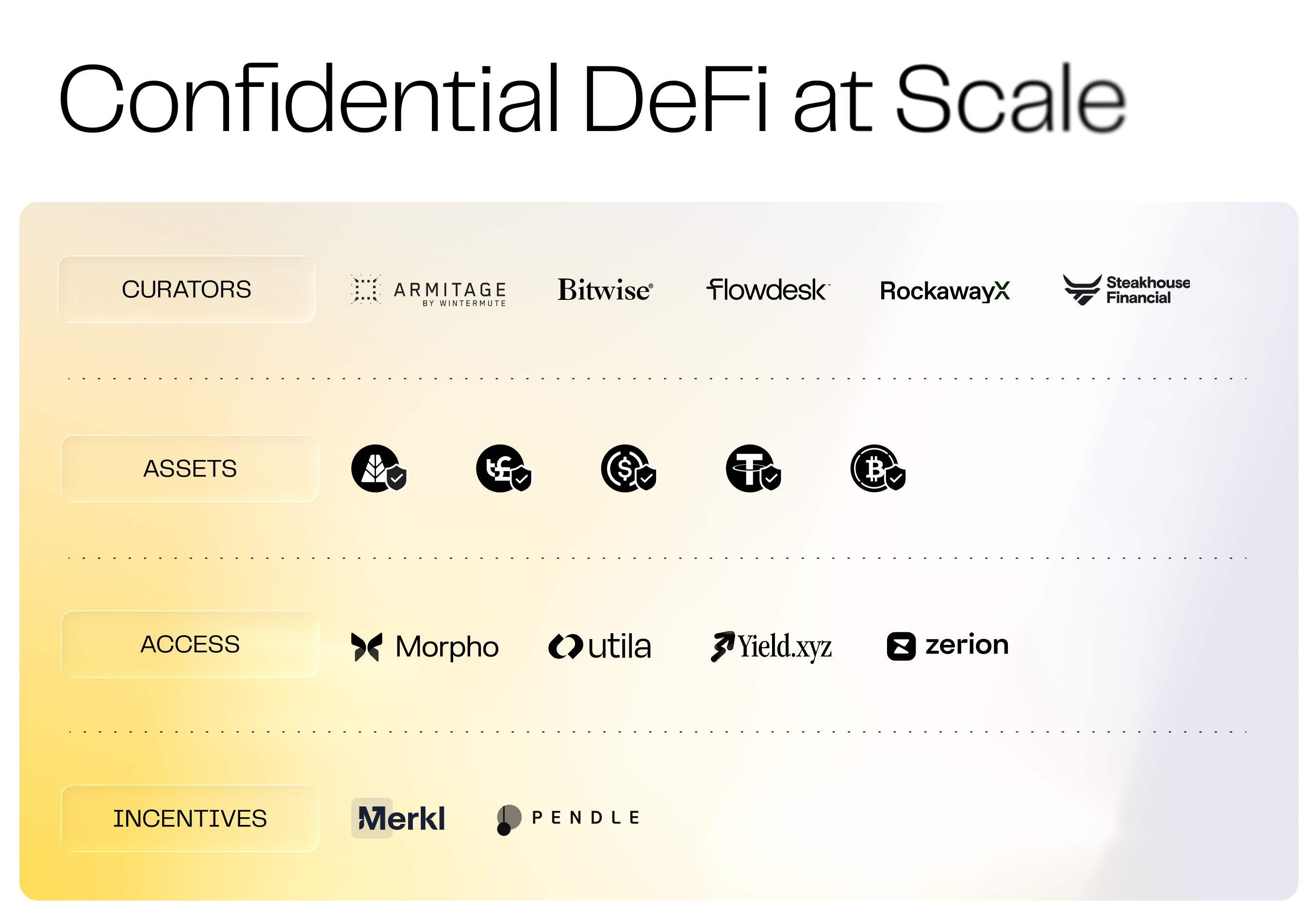
Currently supported: USDC, USDT, WETH, BRON, ZAMA, tGBP, XAUt.
The official wrappers in the Registry are the recommended starting point for any app that needs confidential token support so builders don’t have to deploy their own. All officially deployed wrapper addresses are listed in the Zama Protocol Registry:
Testnet Faucet for Self-Hosted Relayer.
The official Zama Testnet Faucet for Sepolia is now publicly available. For most developers building on the Zama Protocol, the relayer handles gas and operational costs transparently, but if you are self-hosting your own relayer, or want direct access to FHE operations on testnet without going through the managed infrastructure, you will need Sepolia $ZAMA tokens.
→ Get testnet tokens: faucet.testnet.zama.org
If you are looking to mint confidential tokens on testnet rather than acquire Sepolia $ZAMA, the testnet token documentation covers the available contracts and how to get started.
The mainnet launch shipped with a full suite of applications, available today across portfolio management, staking, and bridging.
Portfolio App.
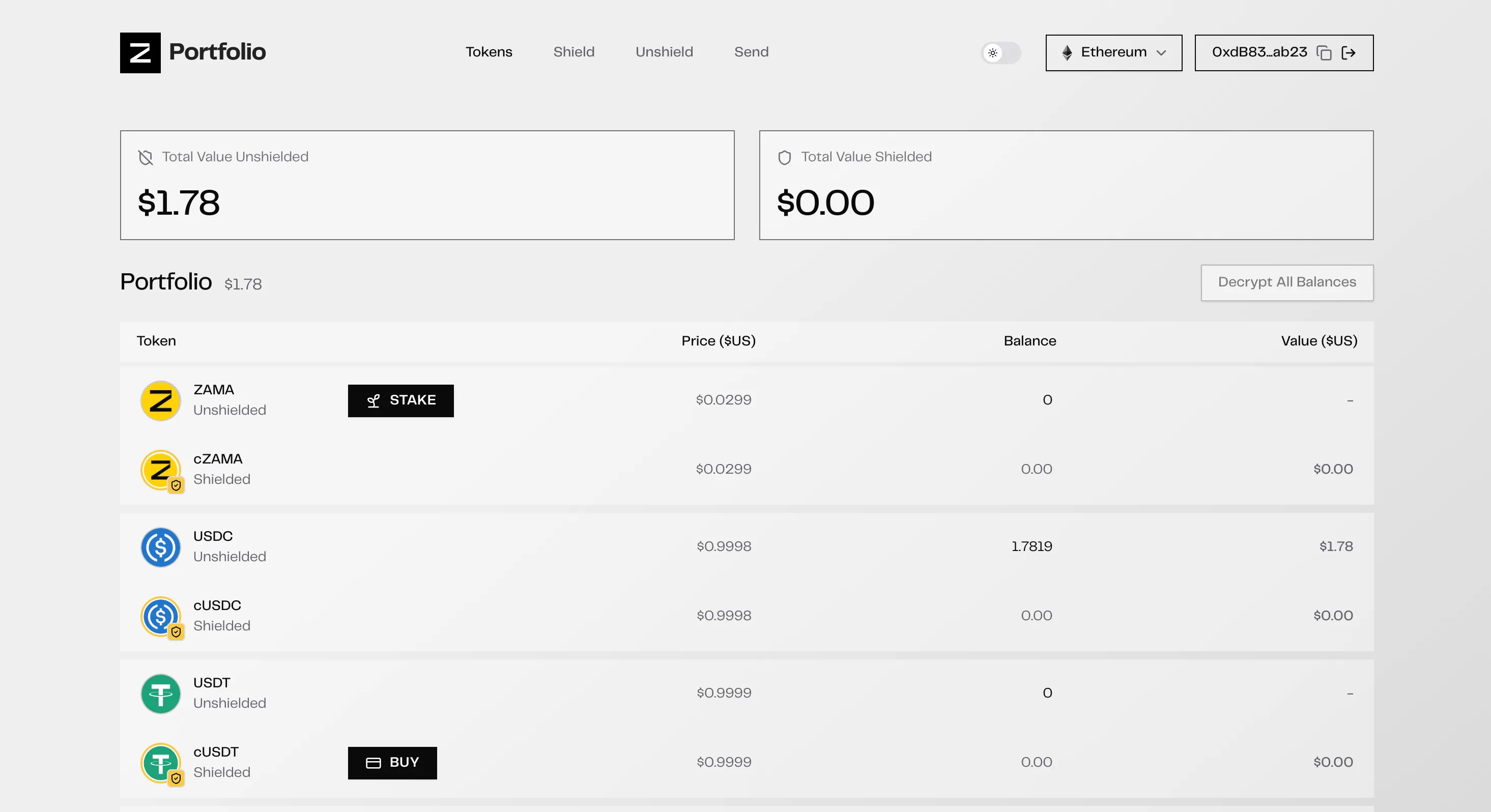
The Zama Portfolio App is the primary interface for managing confidential tokens, covering portfolio overview, shielding, unshielding, and transfers across both Ethereum mainnet and Sepolia testnet.
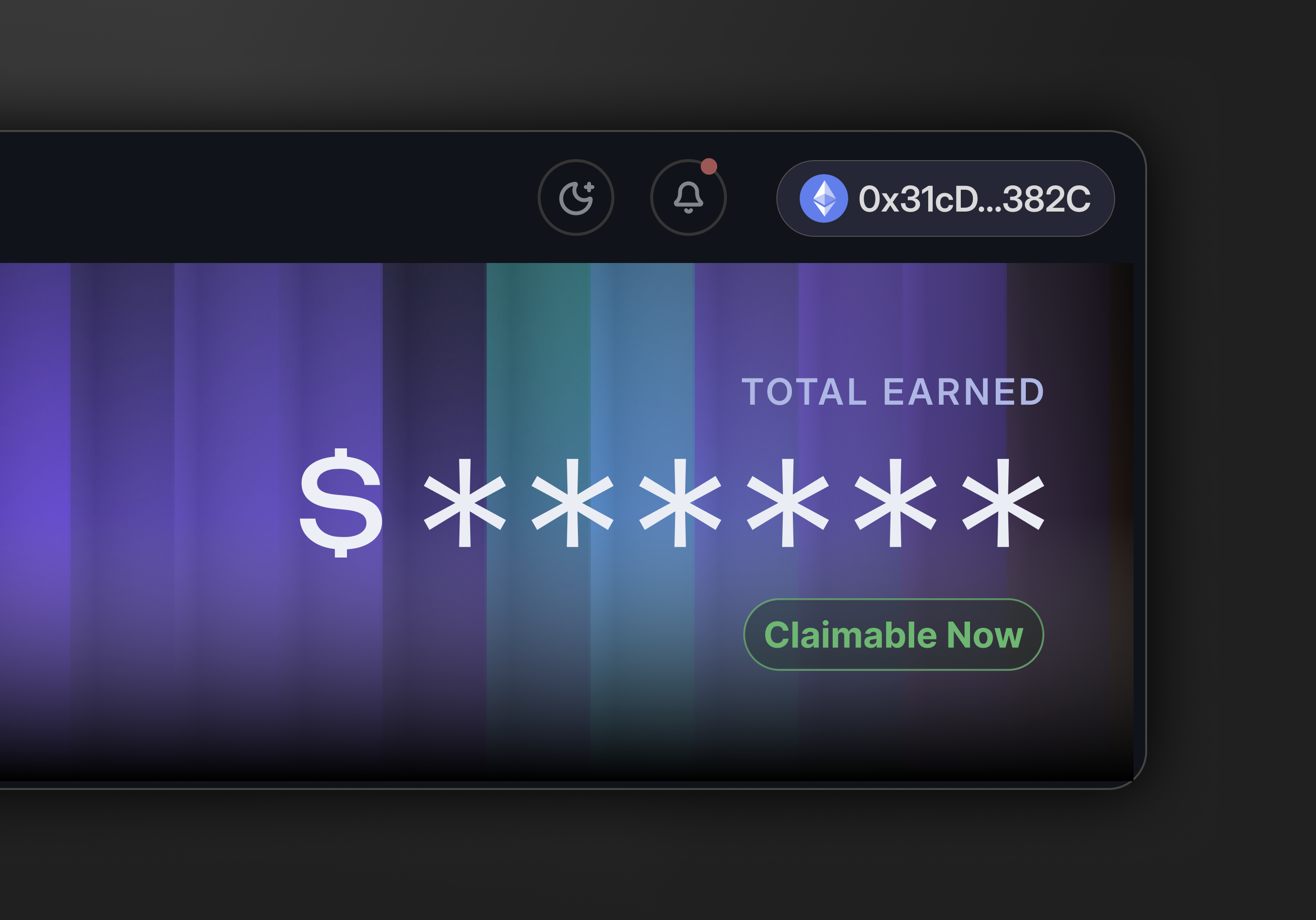
Since the Zama Public Auction, the Portfolio App added a significant feature: the confidential onramp lets users buy cUSDT directly from within the app without exposing the transaction onchain, meaning users can now enter and operate entirely within the confidential layer from the moment of acquisition.
Staking.
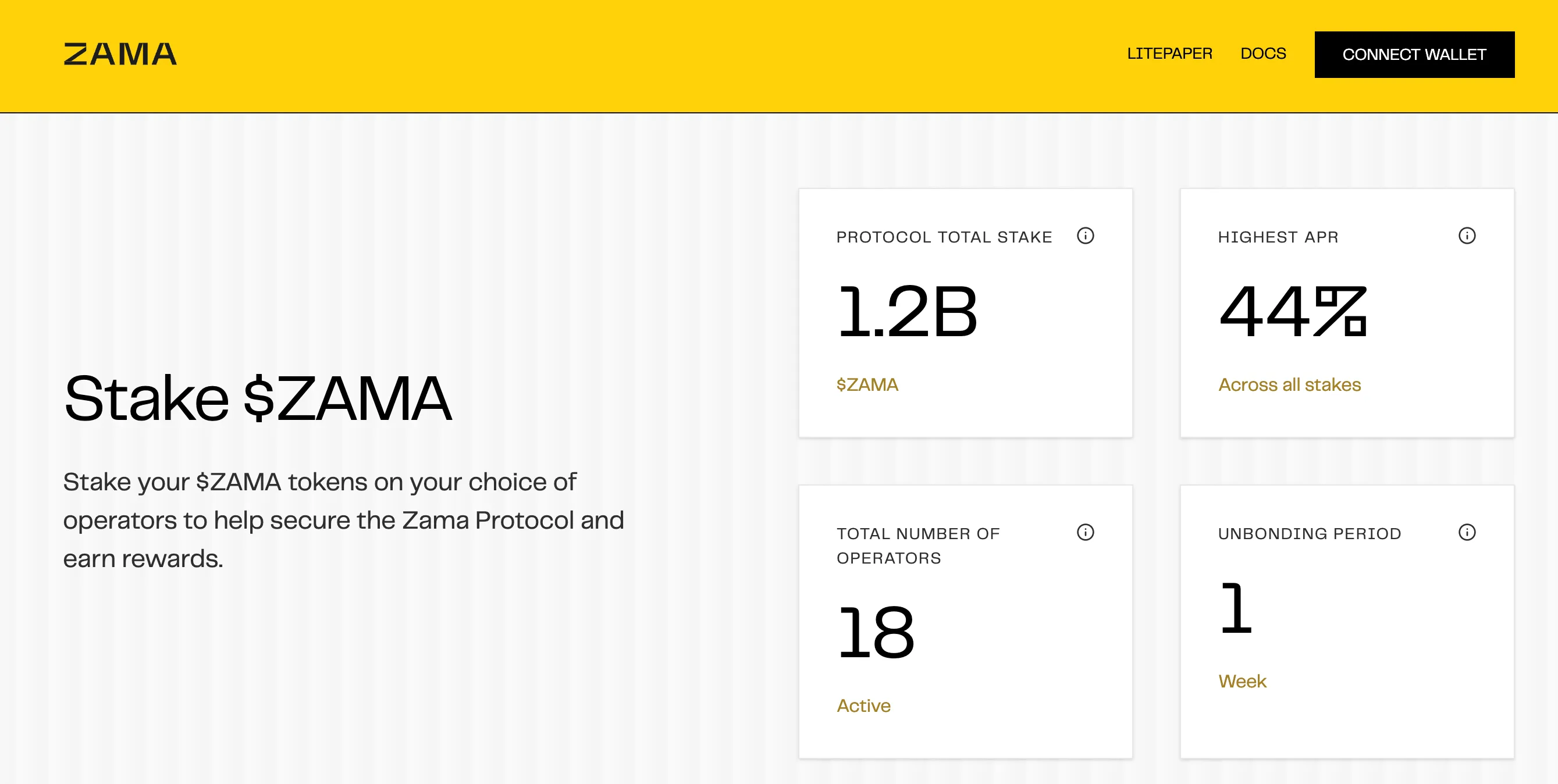
$ZAMA holders can stake on the Zama Protocol via staking.zama.org. So far, more than 50% of the circulating supply has been staked, a strong signal of early conviction from the community.
Staking works through a two-level delegation model: token holders delegate $ZAMA to operator pools, which stake on the protocol on their behalf. Operators run the core infrastructure (KMS nodes and coprocessors) and earn commission fees; delegators earn staking rewards in $ZAMA.
Note that this is standard ERC-20 $ZAMA staking. Confidential staking where staking activity itself is private is also on the roadmap. Learn more about staking mechanisms in the staking documentation.
Token Bridging.
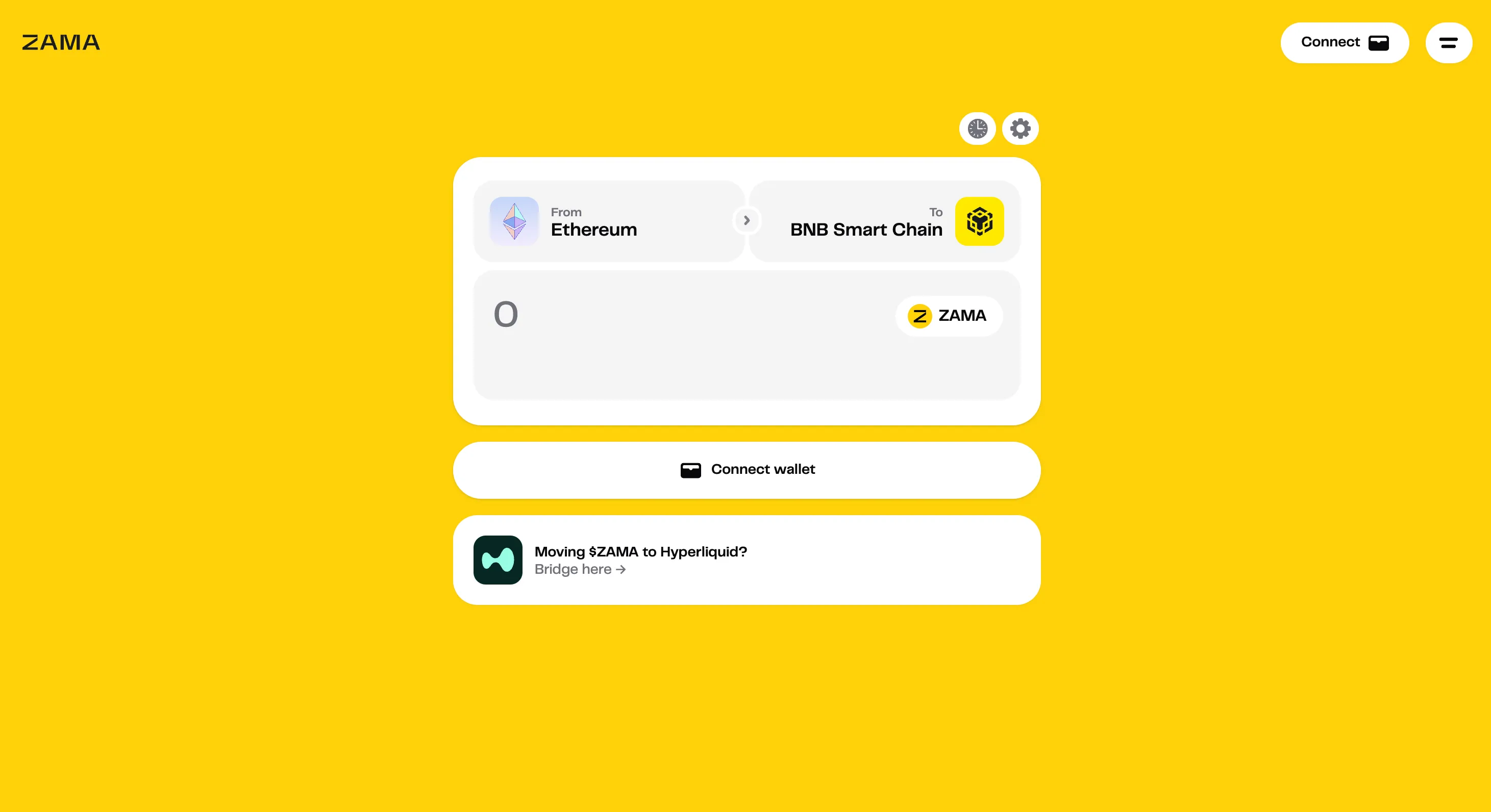
$ZAMA token bridging is now live via bridge.zama.org, enabling transfers across Ethereum, BNB Smart Chain, Hyperliquid, and Solana.
HyperLiquid is worth calling out specifically. Bridging is supported via Stargate, which opens a ZAMA/USDC trading market on one of the fastest-growing onchain trading venues. For $ZAMA holders who want to trade, the market is live now.
The infrastructure is in place. What comes next is what gets built on top of it: confidential yield, agentic payments, and use cases that onchain confidentiality makes possible for the first time. If you’re building something with confidential finance, we want to hear about it.
News, research and product releases
Protocol

Solutions
PRODUCTS
Resources
community
company

.svg)
.svg)