Developer programs are designed to support builders at every stage, from experimentation to production-ready projects.
During Mainnet Season 1, builders from around the world shipped real applications on top of the Zama Protocol: encrypted wallets, confidential payroll infrastructure, private legal platforms, and FHE-powered AI payment rails.
Let’s take a look at what the winners have built.
Disclaimer: The winning projects mentioned below are unaudited community projects. Research before connecting your wallet. Third-party apps carry risks.
Paychain: Confidential Payroll.
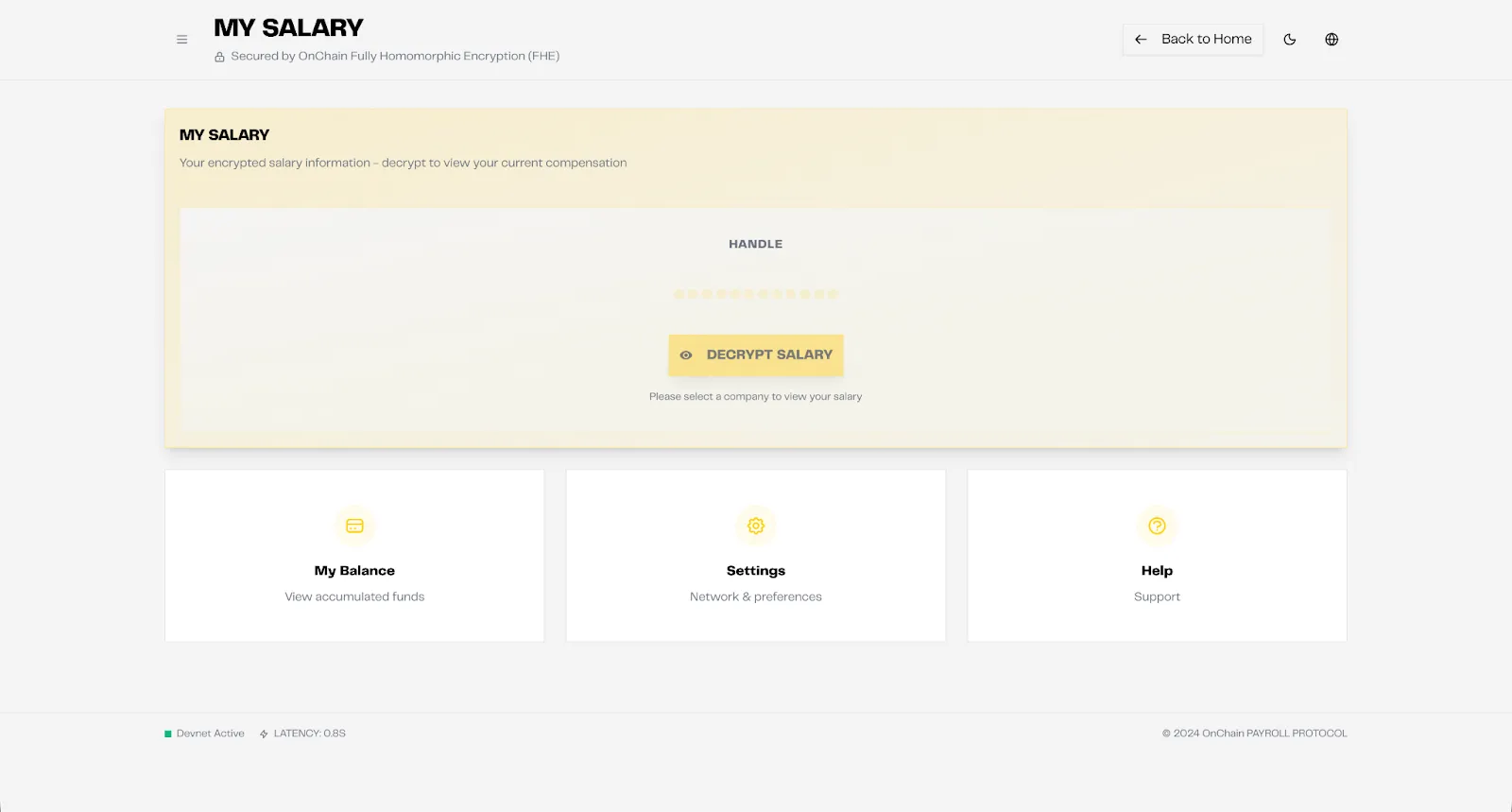
There is a version of corporate finance that cannot exist on a public blockchain yet. Salaries are sensitive.
Paychain solves this. It is a non-custodial payroll SaaS platform that lets companies pay employees in stablecoins — with amounts encrypted end-to-end using FHE, GDPR-compliant by design, and settled onchain without exposing any financial data to the public ledger.
This is a category of infrastructure that makes onchain corporate finance viable at scale.
Prototype: paychain-on-chain-payroll-web.vercel.app
Repository: GitHub
MARC Protocol: Encrypted Infrastructure for the Agentic Economy.

AI agents are beginning to transact onchain. The infrastructure for that does not yet exist at the level it needs to. MARC Protocol is an attempt to build it.
It combines ERC-7984 confidential tokens, x402 paywalls, ERC-8004 identity, and ERC-8183 commerce standards into a unified protocol for FHE-encrypted agent payments.
Built for a world where agents need to move value without leaking intent.
Prototype: marc-protocol.vercel.app
Repository: GitHub
Contracks: Private-by-Default Legal Agreements on Ethereum.
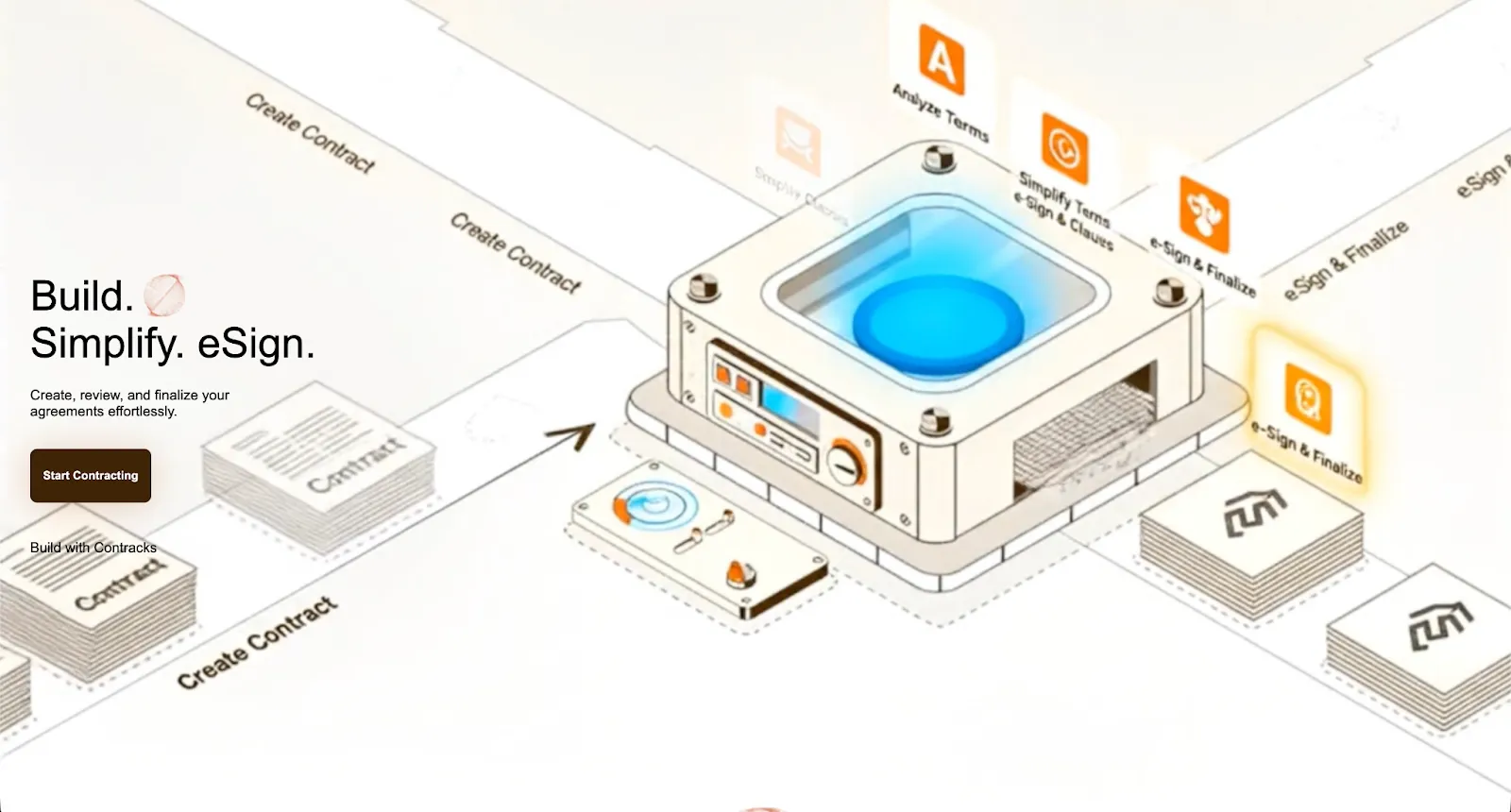
Legal agreements have two requirements that have historically been in tension onchain: enforceability and confidentiality.
Contracks is the first confidential legal platform on Ethereum using the Zama Protocol. Parties can create, sign, and execute smart agreements that are private by default — with the blockchain enforcing the terms without exposing the contents to anyone who does not need to see them.
The use cases extend well beyond crypto-native contexts. Any agreement that requires both parties to trust the execution without trusting each other is a candidate.
Prototype: contracks.vercel.app
Repository: GitHub
Senza: A Wallet That Keeps Your Balance Your Business.
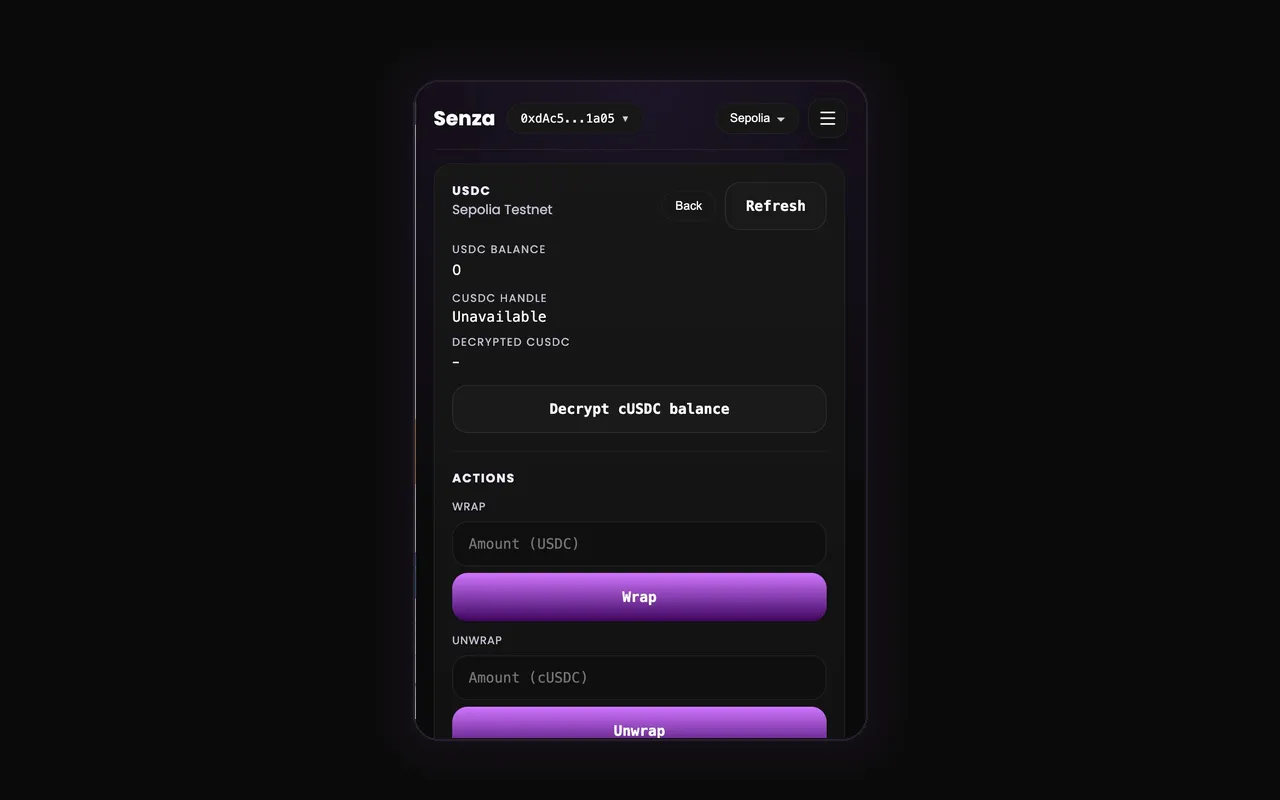
Most wallets today make the financial life fully public. Senza changes the default.
It is a Chrome extension wallet built on Zama FHEVM that encrypts balances and transfers by default, with decrypt-on-demand visibility for the user. Wrap, unwrap, send privately, and connect to dApps — all without exposing the financial state to the network. Senza is what consumer-facing confidentiality looks like when it is built correctly.
Prototype: Chrome Web Store
Repository: GitHub
BlindPay: Merchants Get Paid. The Network Sees Nothing.
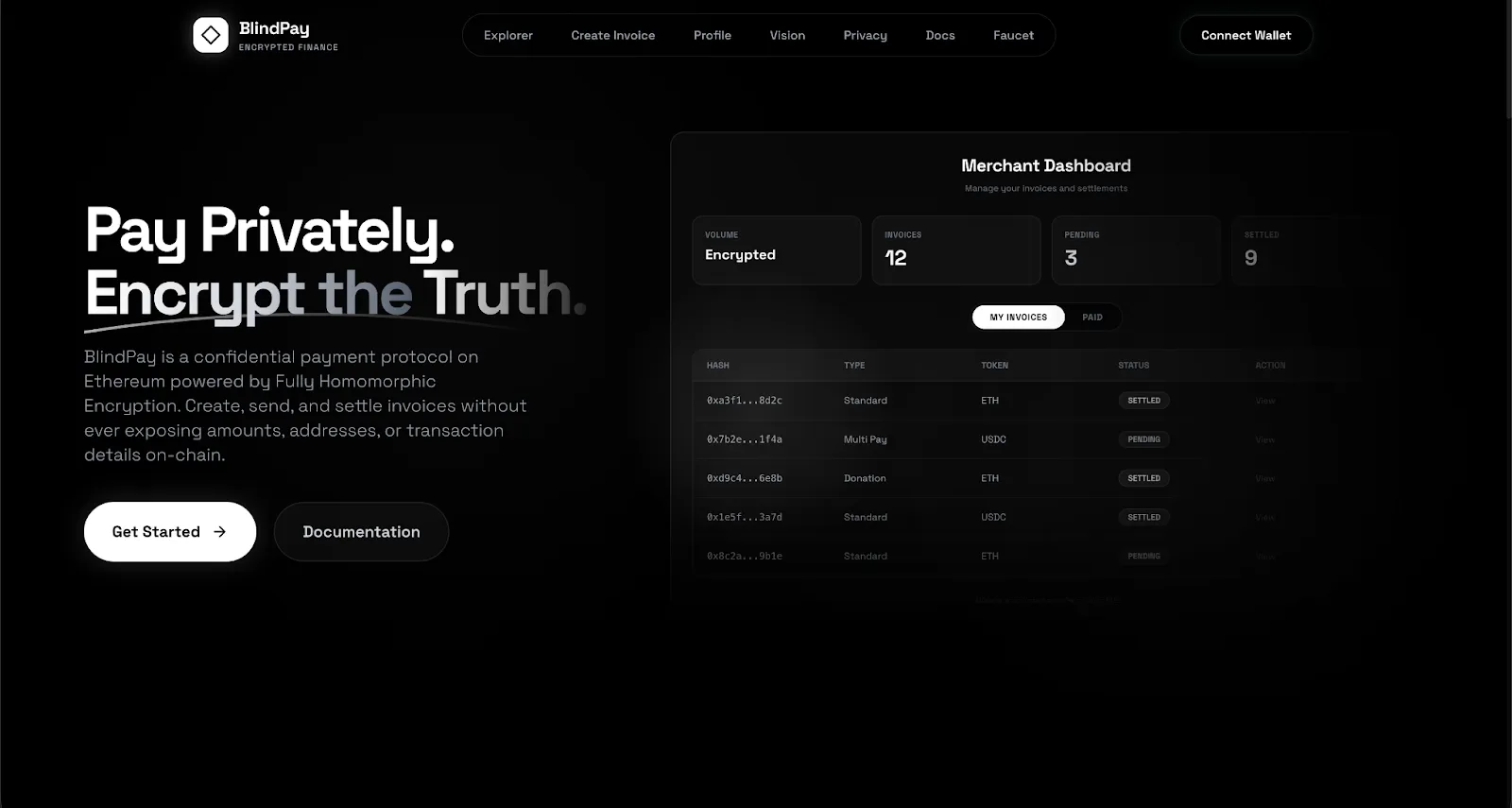
BlindPay is a payment platform built for FHEVM that lets merchants generate invoices and receive payments without any transaction details appearing onchain. The settlement is verifiable. The amounts are not visible to anyone except the parties involved.
This is the kind of primitive that unlocks real commerce onchain — because most real commerce requires exactly this level of confidentiality.
Prototype: blind-pay.vercel.app
Repository: GitHub
CipherMint: Confidential UBI, Onchain.
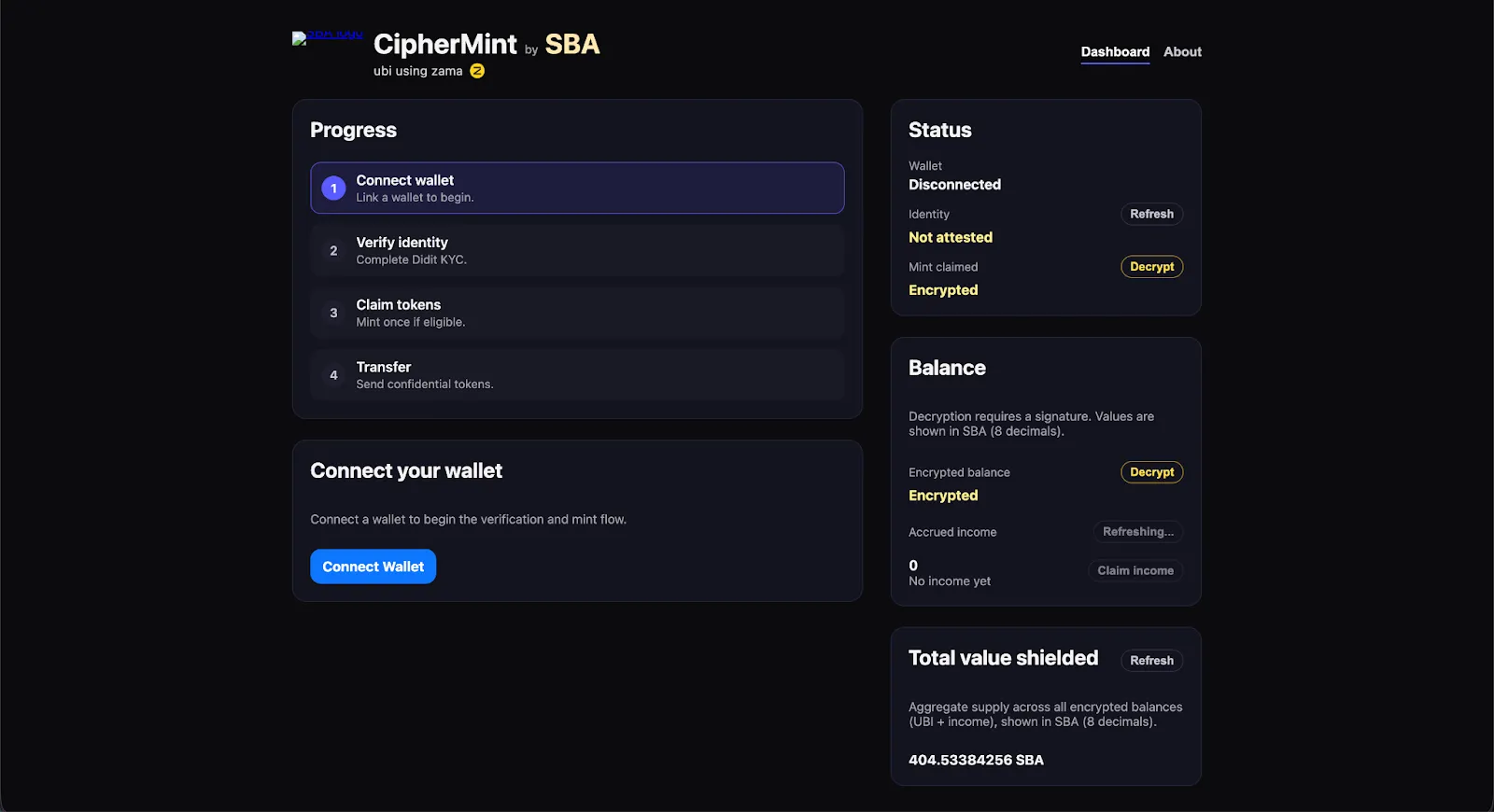
CipherMint explores one of the more novel design spaces unlocked by FHE: confidential universal basic income. Each unique identity maps to a fixed income stream. The amounts remain encrypted. The distribution is verifiable without the ledger becoming a public record of who receives what.
This project sits at the intersection of identity, compliance, and privacy.
Prototype: ciphermint.stevensba.com
Repository: GitHub
FHEVM Developer Bootcamp.
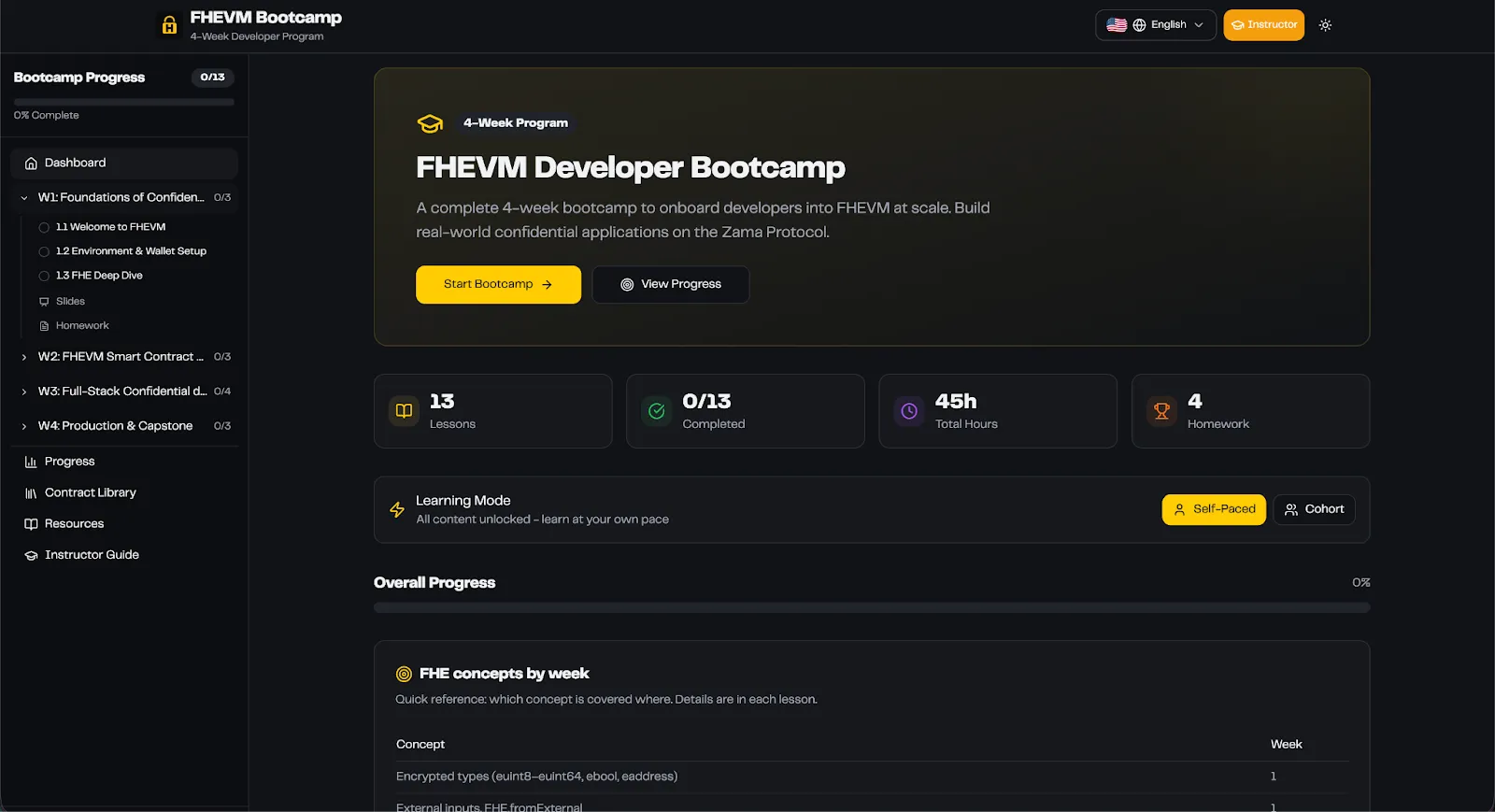
A structured, hands-on four-week program for developers who want to build confidential applications with FHEVM from the ground up. It covers core FHE concepts through to deployed applications — accessible to developers with a Solidity background, without requiring a background in cryptography.
Prototype: cw-bootcamp.netlify.app
Repository: GitHub
FHEVM-Bootcamp-OS: Open-Source Curriculum Infrastructure.
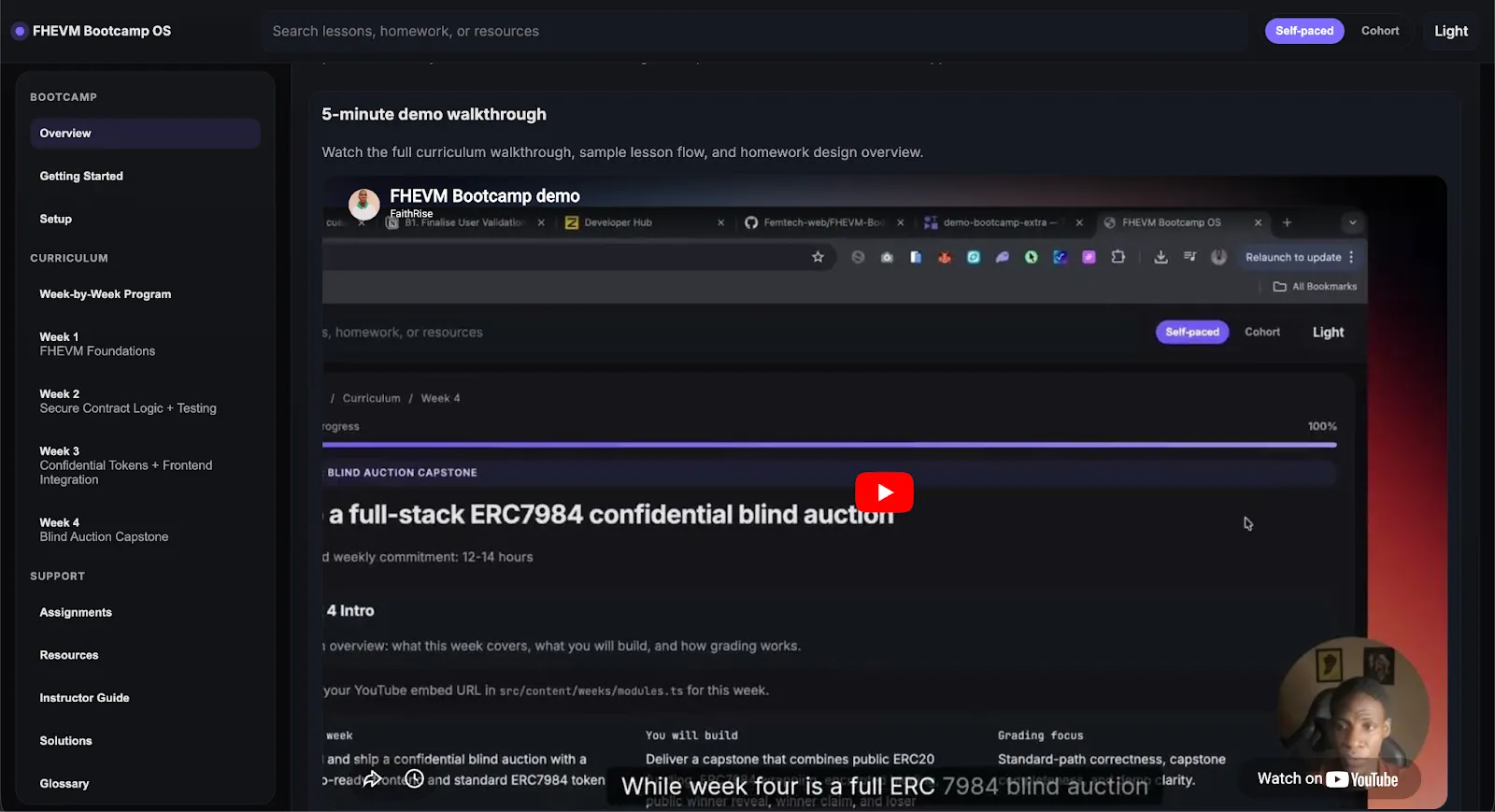
FHEVM-Bootcamp-OS is more than a bootcamp. It is a full operating system for running one — complete with curriculum, graded assignments, rubrics, environment setup guides, and support.
Building confidentiality into Ethereum requires builders. Building builders requires this kind of education.
Prototype: fhevm-bootcamp-os.vercel.app
Repository: GitHub
The range of applications — payroll, legal agreements, wallets, AI payments, UBI distribution — is the signal we were looking for. Confidentiality is not a niche feature for a narrow set of applications. It is a foundational requirement for the vast majority of real-world activity that has yet to move onchain.
The work done here is a demonstration of what becomes possible when developers have the tools to build it.
Congratulations to every winner, and to every team that shipped something during this developer program. The future of Ethereum is confidential — and you are building it.
Need help? developer@zama.org
News, research and product releases
Protocol

Solutions
PRODUCTS
Resources
community
company

.svg)
.svg)


.jpg)
.jpg)